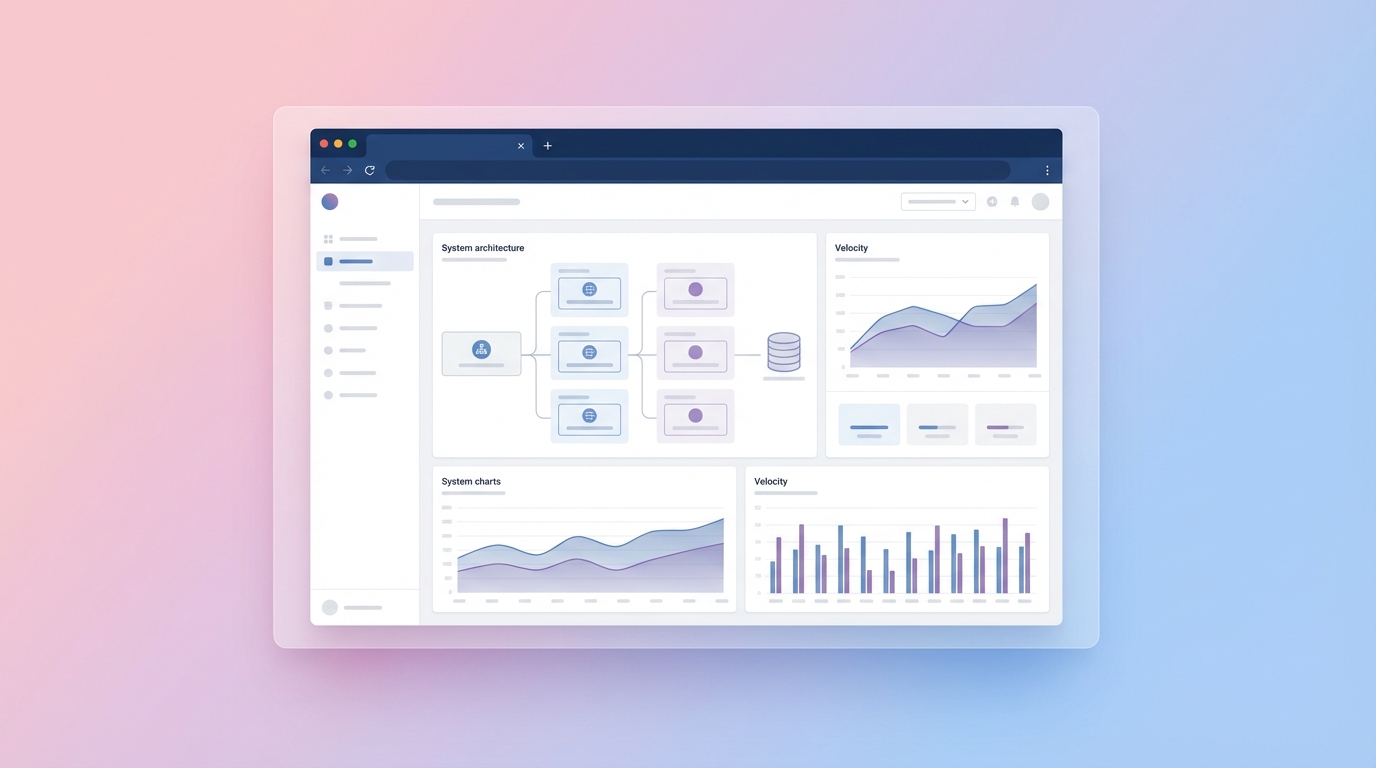
The average software developer spends roughly 42 percent of their workweek, equating to 17.3 hours, exclusively on debugging, managing technical debt, and navigating the brittle constraints of older systems [25]. If you manage a 25-person engineering team, that lost productivity represents nearly $1 million annually in wasted human capital.
For engineering leaders who have spent their nights debugging production systems at 2am, the true cost of legacy infrastructure is not a secret. It is not found in the licensing fees or the server costs. The actual financial bleed is hidden in the operational friction that grinds your engineering velocity to a halt. When your technology stack ages past a certain threshold, it stops being a technical problem and becomes a human capital crisis. Outdated systems inflate your hiring costs, massively extend your time-to-fill for open roles, and actively push your most capable senior engineers out the door.
Modernization is frequently pitched by vendors as a magic bullet, promising seamless transitions and effortless scaling. The reality is far more complex. Migrating enterprise architectures is a heavily risk-managed exercise fraught with operational danger. However, the data from 2024 and 2025 shows that standing still is no longer a viable financial option. The labor market has fundamentally shifted. Developers now demand modern, safe, and efficient tooling, and they are leveraging their market position to punish organizations that refuse to adapt.
The Modern Stack Mandate: Why Developers Demand Safety and Speed

When a system goes down during a peak traffic event, the resilience of your technology stack is tested. But long before that failure occurs, your stack's architecture dictates how quickly your team can ship fixes, write tests, and deploy features. The modern developer expects an environment that provides guardrails. They want compilers that catch errors before the CI/CD pipeline fails, and they want local development environments that mirror production without requiring a dozen fragile shell scripts.
TypeScript's Dominance as the AI Era Baseline
The most significant structural shift in recent years is the absolute dominance of strongly typed languages. According to 2025 data, TypeScript has overtaken both JavaScript and Python to become the most used programming language by distinct monthly contributors on GitHub, reaching 2.63 million developers and growing by an astonishing 66.63 percent year-over-year [1]. Over the past seven years, TypeScript adoption has surged from 12 percent to 35 percent [6].
Source: Industry Data [6] (2024)
This is not a fad driven by frontend hype. The surge in TypeScript adoption is intimately linked to the era of artificial intelligence. Developers value strong typing as a baseline operational requirement, especially when pairing it with AI-assisted coding workflows. Large Language Models (LLMs) and coding agents perform exponentially better when constrained by a strict type system. In a dynamic language like older JavaScript or PHP, an AI agent must guess the shape of an object, leading to subtle bugs that might not be caught until a user interacts with the application. With TypeScript, the type definitions act as a strict contract. The compiler provides immediate, deterministic feedback, allowing developers to leverage AI generation safely.
The Disconnect Between Admiration and Enterprise Reality
While developers prioritize safety, there is a distinct gap between the languages they admire on Hacker News and the languages that actually run enterprise workloads. Developer surveys show that Rust, with a 72 percent admiration score, and Gleam, at 70 percent, are highly loved [9]. Engineers respect Rust for its strict memory safety and zero-cost abstractions. They want to work in environments that eliminate entire classes of runtime errors.
However, moving a legacy monolithic application to Rust is rarely a pragmatic business decision. The enterprise reality remains deeply rooted in Python, TypeScript, Java, and C# [9]. Python continues to dominate the data science and backend infrastructure landscape, capturing 47 percent of developer usage in recent surveys [5]. As a CTO, you do not need to rewrite your entire backend in a niche functional language to satisfy your engineering team. You simply need to provide an ecosystem that is predictable, well-supported, and equipped with modern linting and testing capabilities. The goal is to reduce cognitive load, not to chase the latest compiler trends.
The Real Cost of Outdated Frameworks
The friction of outdated systems is palpable. Developers show massive resistance to maintaining applications built on legacy PHP, outdated versions of AngularJS, or bespoke in-house frameworks that lack community documentation. Nearly 67.5 percent of developers express deep frustration with their current tools, stating explicitly that outdated CMS platforms and legacy architectures hold them back from doing meaningful work [21].
When a developer sits down to build a feature in a modern stack, they pull down a documented library, rely on auto-complete in their IDE, and push a branch that is automatically tested. In a legacy environment, that same feature requires navigating undocumented dependencies, fighting with deprecated package managers, and crossing their fingers during a manual deployment process. This friction compounds daily. It destroys morale and creates a culture of defensive engineering, where teams refuse to refactor bad code because they are terrified of breaking undocumented downstream dependencies.
The "Legacy Tax" on Talent Acquisition
If your core revenue depends on a massive, undocumented monolithic application running on an outdated language, your recruitment pipeline is already compromised. We often talk about technical debt, but we rarely quantify the "legacy tax" that it imposes on the HR budget. Hiring engineers to maintain dying frameworks requires massive financial premiums, and the delay in finding these specialists directly impacts your time-to-market.
The 30 Percent Salary Premium: Experience vs. Technology
The data points to a harsh reality for legacy maintainers. Organizations attempting to hire engineers for legacy stacks often face a 20 to 30 percent base salary premium compared to standard market rates [25]. Many executives assume this premium is a direct penalty for using old technology. The truth is more nuanced.
When you hire a developer to maintain a twenty-year-old system, you are not just paying for their ability to write code. You are paying for their domain expertise. You are paying for their hard-earned ability to safely navigate millions of lines of code that lack test coverage. This is a tenure premium masquerading as a technology premium. The pool of engineers who have deep, contextual experience with these specific older architectures is incredibly shallow. Because these systems are fragile, organizations are forced to pay top-tier salaries to seasoned veterans simply to keep the lights on.
Extended Time-to-Fill and the Cost of Vacancy
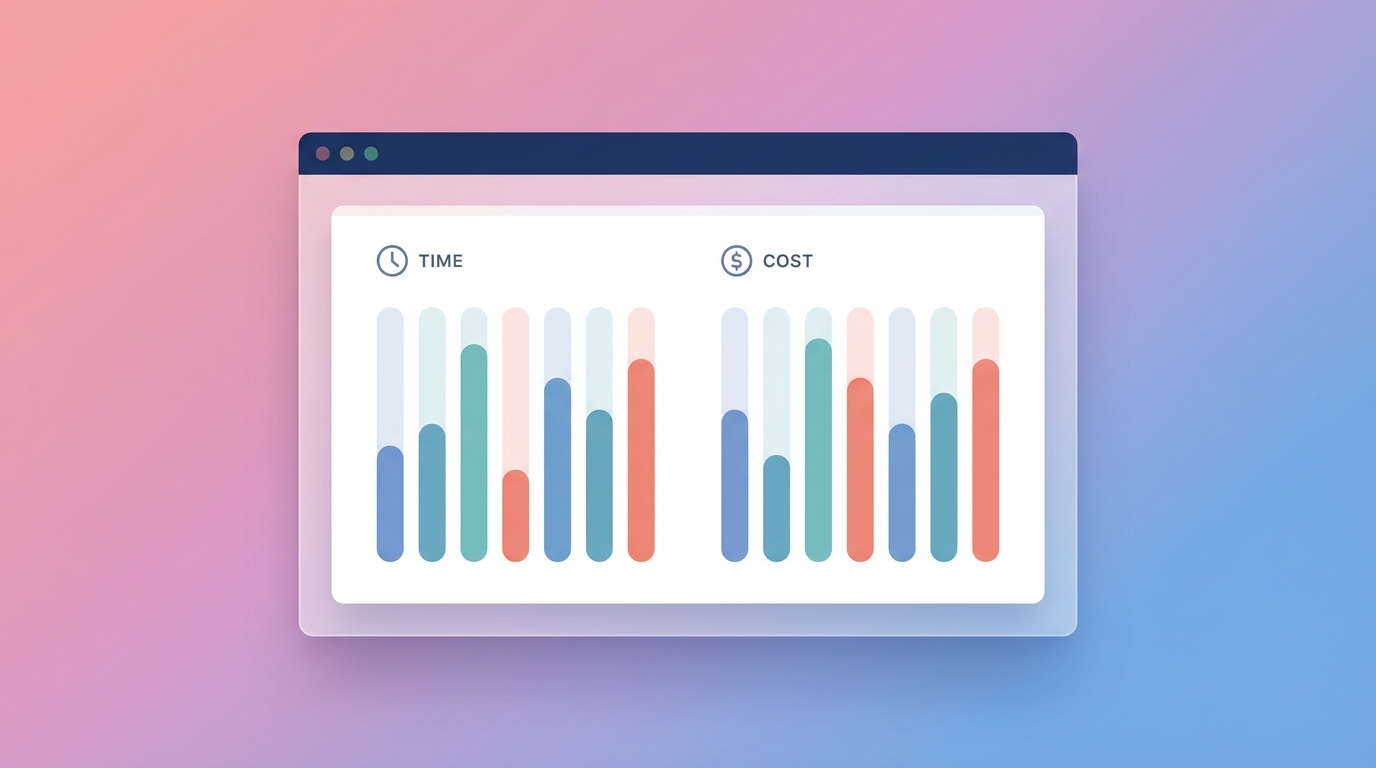
The financial bleeding extends beyond the base salary. The Total Cost of Vacancy (TCV) for legacy engineering roles is staggering. In a modern development environment utilizing standard cloud-native tooling, the average time-to-hire is roughly 6 weeks [16]. You post a role for a senior React or Go developer, and the market provides a deep pool of qualified candidates.
For legacy stacks, that time-to-fill balloons to an average of 14 weeks [16].
Source: Industry Data [16]
A 14-week hiring cycle means that a critical project scheduled to begin in Q1 might not see active development until Q3. During this extended vacancy, the remaining engineers on the team are forced to absorb the operational load, increasing burnout and the likelihood of further attrition. The business loses months of potential feature velocity, directly impacting revenue generation.
Debunking the 'Retirement Cliff' Myth
A persistent myth in the industry is the "retirement cliff", the idea that all legacy developers are aging out of the workforce, leaving companies stranded. While it is true that many veterans are retiring, the demographic reality is shifting. Recent data indicates that Generation Z now makes up roughly 15 percent of the mainframe and legacy systems workforce [17].
Talent does exist. However, the pipelines for finding this talent are entirely different. You cannot rely on standard inbound recruiting to find a 24-year-old who knows COBOL or legacy enterprise Java. Furthermore, the economics of contract labor for these systems frequently point to systemic inefficiencies. Independent contractor rates for older technologies often match standard modern enterprise languages at roughly 550 GBP per day [25, 28].
The exorbitant costs often associated with legacy talent usually stem from specialized recruitment agency fees rather than the direct daily rates of the developers themselves. You are paying a premium to third-party brokers because your internal recruitment team does not have the network to find developers willing to work on your technical debt.
Velocity, Technical Debt, and the Productivity Black Hole
The most damaging aspect of a legacy architecture is not how it looks on a recruitment brochure. It is what happens after the developer accepts the job. Outdated tooling acts as a productivity black hole, absorbing engineering hours that should be spent driving product innovation.
Quantifying the Maintenance Burden
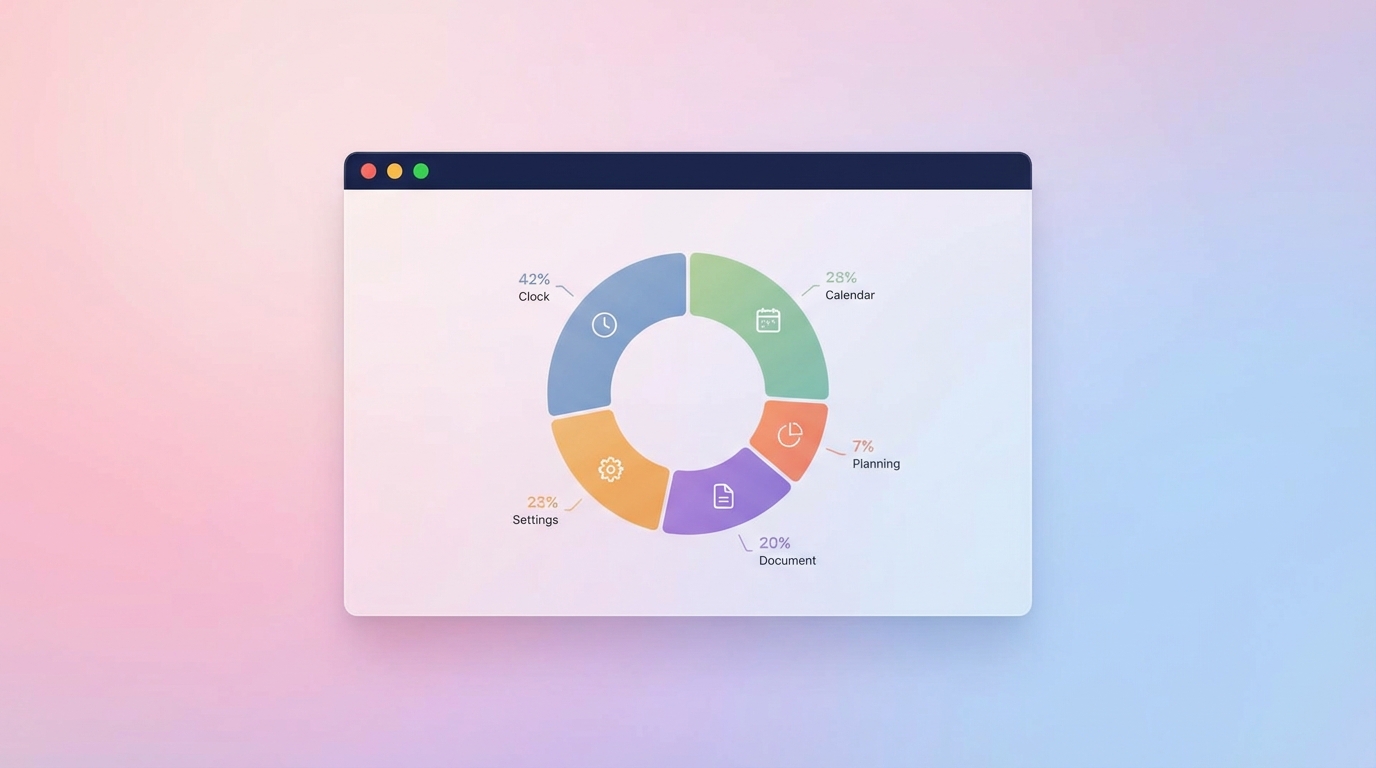
The math behind legacy maintenance is unforgiving. Developers spend approximately 42 percent of their time dealing with technical debt, debugging obscure state management issues, and fighting deployment pipelines on older systems [25].
Source: Stripe Developer Coefficient Report
Consider a mid-sized engineering organization. If nearly half of your payroll is dedicated to simply maintaining the status quo, your ability to respond to market threats is severely compromised. In a monolithic application with tight coupling, a single database schema change can cascade into weeks of regression testing. Modernizing these systems through a phased strangler fig pattern allows teams to isolate these brittle components, gradually redirecting that 42 percent maintenance tax back into active feature development.
AI-Assisted Workflows: The Great Multiplier
We are currently witnessing a massive divergence in engineering productivity. Teams operating on modern, strongly typed stacks are leveraging AI-assisted workflows to achieve unprecedented velocity. Research indicates that developers utilizing AI-augmented tools complete tasks 55.8 percent faster when working in modern environments [4].
Legacy systems actively block your organization from realizing these gains. If your core application lacks clear API boundaries, relies on global state, or utilizes obsolete framework versions, AI coding assistants cannot parse the context effectively. Instead of writing boilerplate code or generating unit tests, the AI hallucinates, creating more work for the senior engineers who have to review the pull requests. To unlock the AI multiplier effect, you must first establish a modern architectural baseline.
Revenue Advantages of Top-Quartile Tooling
The speed of your local development environment directly dictates your deployment frequency. Modern frontend architectures and cloud-native backend services drastically reduce build times by 40 to 60 percent. When a developer has to wait twenty minutes for a monolithic application to compile locally, they lose their state of flow. They switch to Slack, read an article, and lose context.
Top-quartile engineering organizations treat developer experience as a core business metric. By investing in modern build systems, automated testing environments, and ephemeral staging servers, they eliminate the idle time that plagues legacy teams. This high-velocity environment allows product teams to run more A/B tests, push smaller and safer incremental updates, and ultimately drive higher revenue through rapid iteration.
Retention, Attrition, and the 'Devbarrassment' Crisis

Engineering leaders spend heavily on catered lunches, ergonomic chairs, and flexible remote work policies to keep their teams happy. Yet, these superficial perks are completely irrelevant if the daily act of writing code is a miserable experience. Your technology stack is the primary driver of your employee churn rate.
Why Your Stack Drives Your Churn Rate
A staggering 70 percent of developers explicitly state that a company's technology stack is "very important" to their decision to accept a job [23]. When a candidate evaluates your offer, they are not just looking at the base salary. They are evaluating what your architecture will do to their future employability.
Working on a modern stack builds a developer's resume. Spending three years maintaining a deprecated proprietary framework effectively stalls their career. To overcome this career risk, developers demand massive compensation increases. Data shows that candidates often require significant salary premiums to maintain legacy systems, recognizing that they are sacrificing future marketability for short-term cash.
The Psychological Toll of Legacy Systems
The psychological impact of technical debt is deep and measurable. The industry has coined the term "Devbarrassment" to describe this phenomenon. Surveys reveal that 86 percent of senior developers feel embarrassed by the outdated tech stack their company forces them to use [21].
This embarrassment is not just about ego. It is about professional pride and operational anxiety. Engineers want to build resilient systems. When they are forced to apply band-aids to failing infrastructure, it creates persistent, low-level stress. This stress directly correlates with flight risk. Currently, 58 percent of developers are actively considering quitting their jobs specifically because of the legacy systems they have to maintain [21]. If you are wondering why your best senior engineers are leaving for startups that pay slightly less, look at your codebase. They are fleeing the operational friction.
The Case for 'Boring' yet Stable Tech
It is crucial to acknowledge a conflicting reality. While developers express frustration with legacy systems, senior engineers are not demanding that you rewrite your entire platform in an experimental framework every six months. The push for modernization is often misinterpreted as a demand for hype-driven development.
Experienced, battle-scarred engineers actually prefer "boring" technology. They want stable, predictable, maintainable architectures. A modern version of Java or C#, backed by a well-tuned PostgreSQL database, might not win a popularity contest on social media, but it allows engineers to sleep through the night without pager alerts. Modernization should not be about chasing trends. It should be about establishing type safety, decoupling monolithic dependencies, and ensuring that deployment pipelines are deterministic. The goal is operational stability, not technological novelty.
The ROI of Modernization: A CTO's Playbook
Justifying a modernization initiative to a Chief Financial Officer is notoriously difficult. If the legacy system is currently processing orders and generating revenue, the CFO will naturally question the need for a massive capital expenditure to rewrite it. The key to securing budget is to reframe the conversation entirely.
Reframing Modernization as Human Capital Strategy
You must stop talking about modernization as an infrastructure upgrade. It is a human capital strategy. When you approach the executive board, bring the HR data. Show them that 42 percent of your engineering payroll is currently being set on fire to manage technical debt. Show them the 14-week hiring cycle for legacy specialists, and calculate the exact cost of delayed product launches.
When you frame the technology stack as a direct barrier to talent acquisition and retention, the ROI calculation changes. The cost of a phased modernization effort is often dwarfed by the combined costs of the 30 percent legacy salary premium, the massive recruitment agency fees, and the lost velocity of your product roadmap.
Prioritizing Type Safety and Ecosystem Stability
If you are planning a migration, prioritize strong typing and ecosystem maturity. Languages like TypeScript, Go, and modern Java provide the strict contracts necessary for large teams to collaborate safely. These languages also provide the necessary context for AI coding tools, unlocking the 55.8 percent productivity gains that modern teams are currently experiencing.
Do not allow your architects to select frameworks based purely on admiration scores. Evaluate the long-term support guarantees, the depth of the talent pool, and the quality of the automated testing libraries. You are building a foundation for the next ten years.
Phasing Out EOL Systems Without Halting Velocity
The graveyard of enterprise software is littered with multi-year "rip and replace" rewrites that failed. You cannot halt all feature development for two years to rebuild the platform from scratch. The business will not survive the pause in velocity.
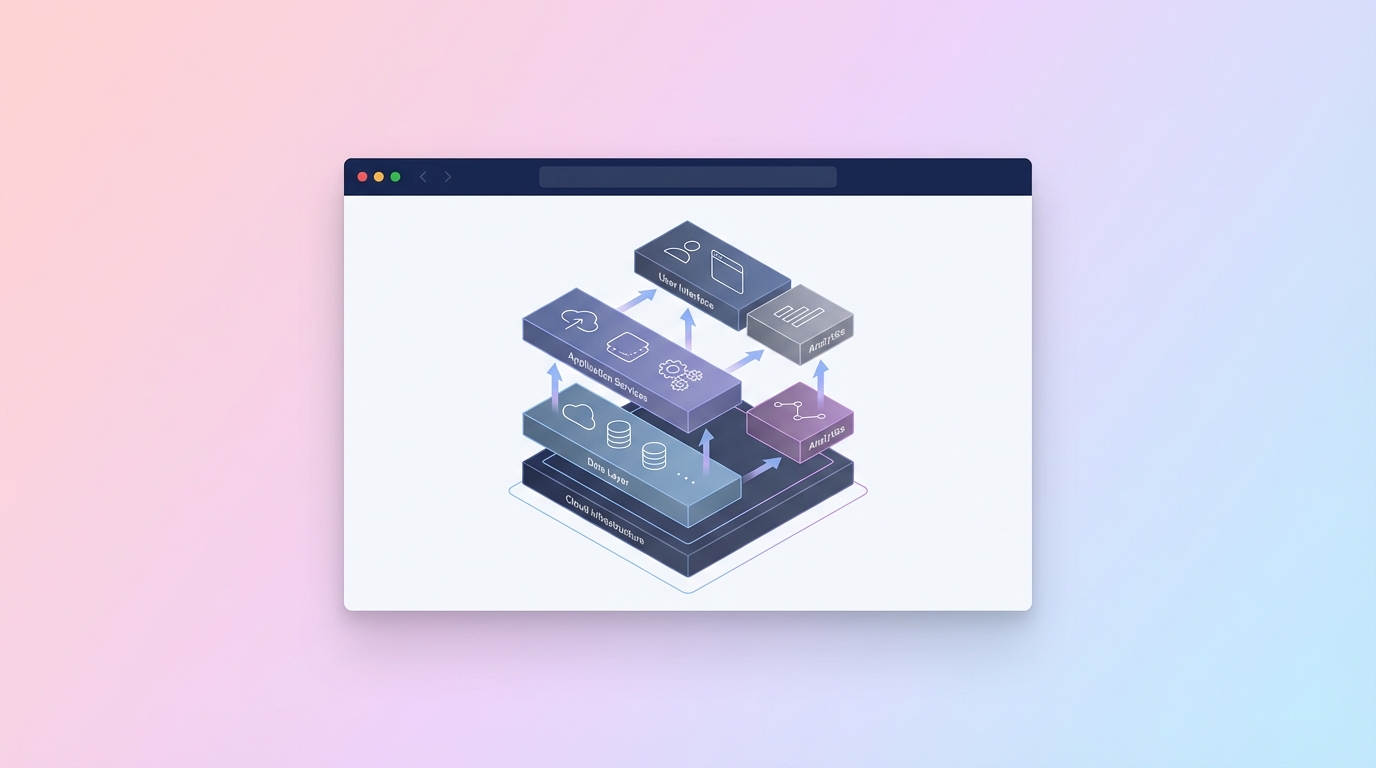
Successful modernization requires an incremental, evidence-based approach. You must utilize the strangler fig pattern, gradually routing traffic away from the legacy monolith to newly built, decoupled services. This allows you to demonstrate immediate value to the business while slowly reducing the operational footprint of the outdated architecture.
Navigating this transition requires a clear, objective assessment of your current technical debt and a precise roadmap for extraction. This is where external expertise becomes critical, not to take over the build, but to help you chart the safest path forward. Altimi's Modernization Discovery Sprint is designed specifically for this scenario. In just 2 to 4 weeks, we deliver a concrete execution plan. You receive a comprehensive architecture assessment, a clear 90-day extraction roadmap, and a fully modeled business case with CAPEX and OPEX projections for €8,500. Stop bleeding engineering hours on obsolete systems. Book a Modernization Assessment today and start building an architecture your team actually wants to work on.